Renal Failure in Cats and Dogs
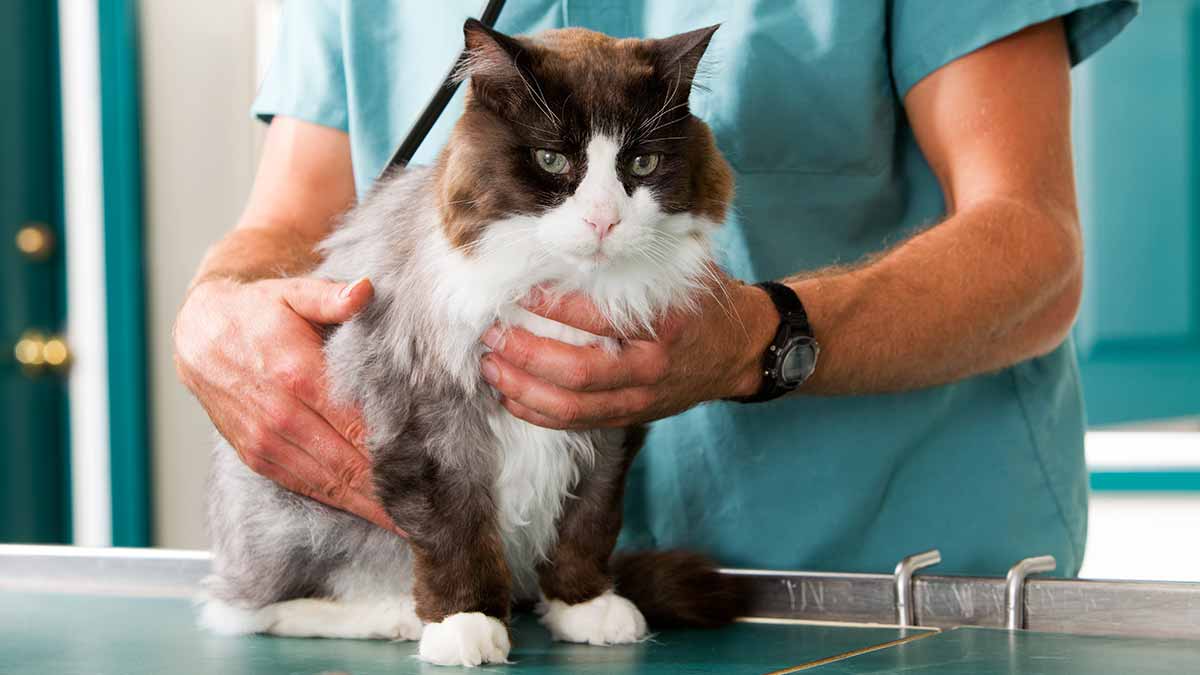
Kidneys have very important functions in cats and dogs just like in humans (regulating acid-base balance of body fluids, hormone production, excretion of metabolic waste). However, regeneration capacity of nephrons is quite weak. Nephrons are the smallest structural units of the kidney and they contribute to filtering blood and forming urine and in case of loss they cannot be functional again. Renal failure occurs when 70% or more of the nephrons are lost; symptoms including polydipsia (excessive water consumption), polyuria (excessive urination), vomiting, lack of appetite, diarrhoea, weight loss, decreased level of blood albumin may be occurred. If there is sufficient number of nephrons, they work more than normal to maintain renal functions. In more advanced cases, these functions cannot be maintained and several problems occur in the body.
What kind of problems are seen in cats and dogs with renal diseases?
- Metabolic waste products in protein metabolism cannot be sufficiently removed by kidneys and elevated level of urea in blood affects the digestive system and central nervous system and causes vomiting, nausea and convulsions.
- Protein needs of cats and dogs are increased related with the increase in the amount of amino acid in urine.
- This need increases when water soluble vitamins and calcium levels decrease and blood calcium level drops (hypocalcaemia) however phosphor is generally retained in the body leading to an increased blood phosphor level (hyperphosphatemia). Decreased level of calcium in blood can activate the function of parathyroid hormone (secondary hyperparathyroidism) leading to over-drawing of calcium from bones. This condition especially affects jaw bones and can turn them into a rubber like softer structure.
- Most of kidney failure cases can increase blood sodium level which can result in the development of hypertension.
- Additionally, in some cases blood potassium and sodium level decreases. This is observed more frequently in cats.
- Another complication is the failure to excrete hydrogen ions by the kidneys which leads to decreased blood pH and development of metabolic acidosis.
A dietary strategy that aims to reduce kidney functions should be used in cats and dogs diagnosed with a kidney disease. Pet food with a low protein content should be given to these animals; losses of water-soluble vitamins and calcium should be recovered and accumulation of phosphor and sodium in the body should be prevented. Dietary measures can minimize clinical symptoms even if they don’t treat the disease and contribute to health and longevity of the animal.
The following dietary measures should be implemented for cats and dogs with renal diseases.
Pet Food Protein Content
There is not sufficient number of studies about the lowest protein amino acid amount in pet food for chronic renal diseases. The decision to take protein intake under control depends on the clinical symptoms and the severity of the kidney failure. When blood urea nitrogen level exceeds 65-80 mg/100 ml and serum creatinine level exceeds 2.5 mg/100 ml, it is recommended to limit protein intake. Dogs do not show any clinical symptom before blood urea nitrogen level exceeds the above-mentioned limits; emergence of clinical symptoms means that 75% of kidney functions have been lost. The main goal in diet is to keep blood urea nitrogen level below 60 mg/100 ml. Minimum protein amount necessary for dogs is 1.25-1.50 g/kilogram of body weight. However, since symptoms caused by insufficient protein can develop when the protein content of pet food is lower than 1.6 g/kg, it is recommended to increase protein level up to 2 g/kg. By doing this, blood urea nitrogen level and clinical symptoms are kept under control and protein deficiency is prevented. Protein content of food for dogs with kidney diseases should be 13-17% in dry food and 30% or lower for cats with kidney diseases. Cats need more protein than dogs so limiting protein is not recommended for cats. Cats should be fed with the maximum protein level at which blood urea nitrogen level and clinical symptoms can be kept under control; this level should be 3.-3.5 g/kg of body weight. It is very important to meet protein needs of cats and dogs. If protein limitation is done correctly, blood urea nitrogen level can decrease 50% or even more. Protein sources in diets with limited protein are very important and protein sources with high biological value and digestibility should be used in pet food formulations.
Diet Phosphor Content
Raised blood phosphor level in kidney diseases and following secondary hyperparathyroidism causes accumulation of calcium-phosphate crystals in kidneys and other soft tissues. This causes damage to kidney nephrons. Additionally, increased parathyroid hormone results in mineral losses from bones which make bones more fragile. It would be useful to lower phosphor level in diet moderately in severe cases to bring down blood phosphor to normal levels, to prevent mineral losses from bones and to avoid accumulation of calcium-phosphate crystals in soft tissues. Commercially available dry pet food contains 1-2% phosphor, for renal failure this percentage should be 0.11-0.3% for dogs and 0.4-0.6% for cats. As animal protein in pet food is the most important phosphor source, limiting the use of protein sources that contain phosphor can be useful. In severe cases reducing the percentage of phosphor alone may not be enough; phosphor binding agents (aluminium hydroxide, aluminium carbonate, calcium citrate, calcium carbonate) in the intestines have to be used until serum phosphor level returns to normal. Vitamin D therapy can also be considered for phosphor limitations.
Diet Fat Content
Since use of proteins as an energy source for animals diagnosed with chronic kidney diseases is limited, fats/oils can be a very good source of energy. The type of fat/oil used in pet food is very important. Blood lipid levels can increase as a result of chronic kidney diseases; polyunsaturated fats such as sunflower oil and fish oil can correct this problem. Omega-3 polyunsaturated fatty acids should be preferred to maintain the hemodynamic in kidneys and prevent inflammation. Additionally, omega-6: omega-3 fatty acid ratio is also something important to consider. Recent researches show that the best omega-6: omega-3 fatty acid ratio in pet food used for kidney diseases is 5:1.
Pet Food Fibre Content
Fermentable fibres in pet food (pectin, mucilage, some hemicelluloses types, FOS) contribute to excretion of nitrogen in stool and decrease urea amount removed from kidneys. Fermentation of such fibres causes bacterial growth and increased activity in the bowel. This leads to an increase in blood flow, tissue weight, surface area and nitrogen excretion in the bowel. This helps to prevent potential diseases in the digestive system and central nervous system.
Other Nutrients
Sodium, potassium, water soluble vitamins and bicarbonate should be considered against kidney diseases. Sodium level of pet food should be reduced to prevent hypertension caused by sodium accumulation. Salt content should be 0.25% for dry dog food and 0.35% for cat food. Additionally, pet food should contain sufficient level of potassium against any potential decrease in blood potassium levels. If metabolic acidosis exists, sodium bicarbonate and potassium citrate can be effective.
Prof. Dr. Gülay Deniz
Uludag University Faculty of Veterinary Medicine
Department of Animal Nutrition and Nutritional Diseases